Understanding the Ingredients for Traditional Kimchi
Choosing the Right Vegetables
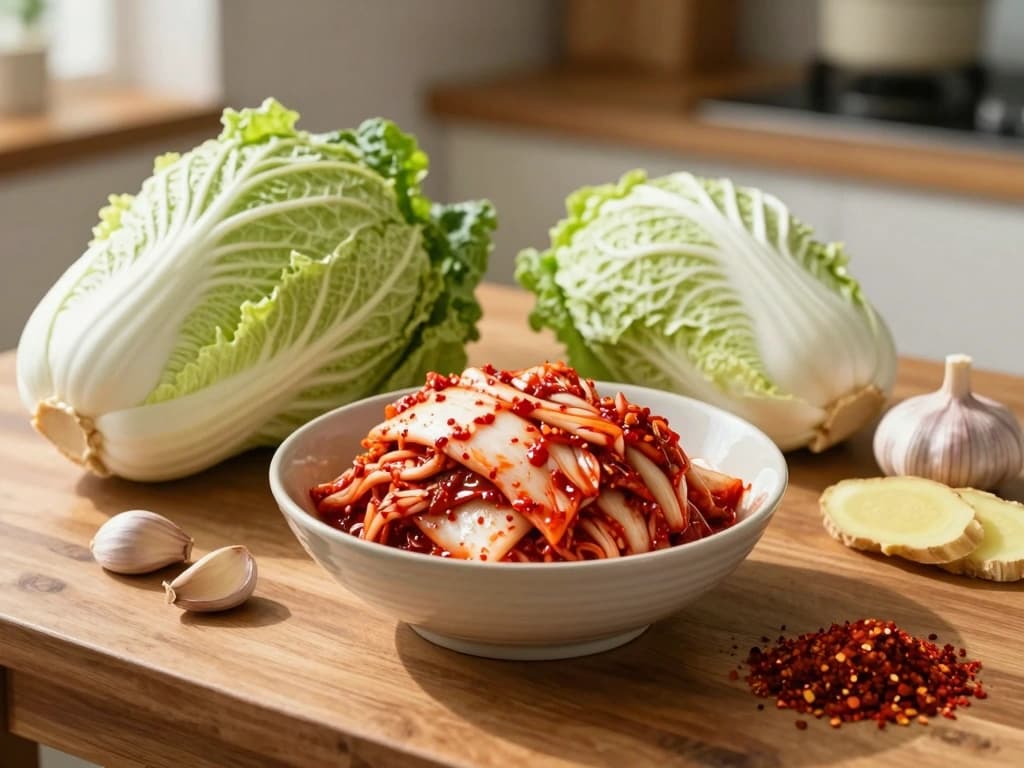
When it comes to making traditional kimchi, the choice of vegetables is paramount. The most commonly used vegetable is Napa cabbage, known for its tender leaves and ability to absorb flavors. A typical recipe might call for 2 medium-sized Napa cabbages, which should be fresh, green, and free from blemishes. Other vegetables that can be included are:
- Radishes: Korean radishes (mu) are preferred for their crunchy texture and mild flavor. Use about 1 large radish, cut into thin strips.
- Green onions: Approximately 6 green onions add a sharpness and freshness to the mix.
- Carrots: One or two medium carrots, julienned, can provide a slight sweetness and vibrant color.
Choosing seasonal vegetables can enhance the flavor profile, so keep an eye on what’s fresh in your local market.
Essential Seasonings and Spices
The seasoning mix is what truly defines the flavor of kimchi. Here are the essential ingredients you’ll need:
- Korean red pepper flakes (gochugaru): About ½ to 1 cup, depending on your spice tolerance. This gives kimchi its signature heat and vibrant color.
- Garlic: Use 10-12 cloves, minced. Garlic is a crucial component that adds depth and aroma.
- Ginger: Approximately 1 tablespoon of freshly grated ginger complements the garlic and adds a zesty note.
- Fish sauce: About ½ cup, which provides umami flavor. For a vegetarian option, consider using fermented soybeans or a seaweed-based alternative.
- Sugar: Just 1-2 tablespoons will help balance the heat and acidity.
Fermentation Starters: Why They Matter
Fermentation starters can jumpstart the fermentation process by introducing beneficial bacteria. While traditional methods rely on the natural bacteria present on vegetables, adding a small amount of pre-fermented kimchi or a tablespoon of rice porridge can enhance fermentation. This is particularly helpful for beginners, ensuring a successful batch.
Preparing Your Kimchi Base
Salting the Cabbage for Optimal Fermentation
Salting is a critical step in preparing your kimchi. Begin by cutting your Napa cabbages into quarters lengthwise and then into bite-sized pieces. Rinse them in cold water and drain. Next, sprinkle salt (about 1 cup of coarse sea salt) generously between the leaves. Allow the salted cabbage to sit for 2-6 hours, turning occasionally. This process draws out moisture, creating a brine that aids fermentation.
After salting, rinse the cabbage under cold water to remove excess salt and prevent an overly salty kimchi. Drain well and set aside.
Making the Spice Paste: A Traditional Approach
In a large mixing bowl, combine your prepared ingredients: the minced garlic, grated ginger, Korean red pepper flakes, fish sauce, and sugar. Mix these with a small amount of water to create a paste. The consistency should be thick enough to coat the cabbage without being too watery. A traditional method might involve using a mortar and pestle or simply your hands (wear gloves to protect your skin from the spice!).
Combining Ingredients: Techniques for Balance
Now it’s time to combine your cabbage and spice paste. In a large mixing bowl, add the drained cabbage to the spice paste. You can also include your radish, carrots, and green onions at this stage. Use your hands to mix everything thoroughly, ensuring the cabbage is evenly coated with the spice mixture. This step is crucial for achieving balanced flavors.
Once combined, taste the mixture. It should be spicy, tangy, and slightly sweet. Adjust the seasoning if necessary by adding more fish sauce, sugar, or gochugaru to suit your taste.
Fermentation Techniques for Authentic Flavor
Traditional Fermentation Vessels: What to Use
For traditional kimchi fermentation, the vessel choice can impact the final flavor. Stone jars (onggi) are ideal due to their ability to regulate temperature and moisture. If you don't have access to an onggi, a glass jar or a food-safe plastic container will suffice. Make sure the container has a tight-fitting lid to keep out air but allows some gas buildup.
Temperature and Time: Key Factors in Fermentation
Fermentation temperature is crucial for flavor development. Ideally, kimchi should ferment at a cool room temperature (around 65°F to 75°F). For the first 1-3 days, keep the kimchi at this temperature to encourage quick fermentation. Afterward, move it to the refrigerator, where it will continue to ferment slowly. The total fermentation time can range from 3 days to several weeks, depending on your taste preference.
Taste Testing: Knowing When It's Ready
After 3 days, begin tasting your kimchi daily. The flavor should develop from fresh and slightly salty to tangy and complex. A well-fermented kimchi should have a balanced mix of flavors: spicy, sour, salty, and slightly sweet. When it reaches your desired flavor profile, it’s ready for refrigeration.
Storing and Preserving Your Kimchi
Best Practices for Refrigeration and Storage
Once fermented, kimchi should be transferred to the refrigerator to slow down the fermentation process. Store it in an airtight container to minimize exposure to air. A glass jar is preferable as it allows you to see the contents and check for any signs of spoilage. Properly stored, kimchi can last for several months, although its flavor will continue to evolve over time.
Understanding the Fermentation Process Over Time
As kimchi ages, it undergoes significant changes. Initially, the flavor will be bright and crisp, but as it ferments further, it will become more sour and complex. This aging process can be a delightful journey, offering different taste experiences at different stages. Typically, the optimal consumption window is within 1-3 months, although some experts suggest that well-stored kimchi can last much longer.
How to Extend Shelf Life Naturally
To extend the shelf life of your kimchi, ensure it is submerged in its brine to limit exposure to air. Additionally, regularly check for mold or off-odors as these are indicators of spoilage. If mold appears, simply remove it and ensure the remaining kimchi is still submerged. Adding fresh salt or a little more fish sauce can also help reinforce preservation.
Exploring Variations of Traditional Kimchi
Regional Differences in Kimchi Recipes
Kimchi is not a one-size-fits-all dish; variations abound across Korea. For example, Baechu-kimchi is the classic Napa cabbage version, while Kkakdugi uses diced radish. Other regional variations include:
- Chonggak-kimchi: Made with young radish, this version is known for its crunchy texture.
- Oisobagi: A cucumber-based kimchi that is refreshing and perfect for summer.
Each regional kimchi reflects local tastes and available ingredients, offering a rich tapestry of flavors and techniques.
Incorporating Seasonal Ingredients
Seasonal ingredients can elevate your kimchi. In spring, consider adding fresh herbs like perilla leaves or chives. In autumn, incorporate sliced apples or pears for natural sweetness. These additions not only enhance the flavor but also provide a unique twist to your traditional kimchi.
Creative Twists on Classic Kimchi
While traditional methods are cherished, experimenting with contemporary twists can yield exciting results. Consider the following ideas:
- Fruit-infused kimchi: Add mango or pineapple for a tropical flair.
- Spicy kimchi with a twist: Incorporate sriracha or other hot sauces for extra heat.
- Vegan kimchi: Use miso paste or tamari instead of fish sauce for a plant-based alternative.
These innovations can keep the tradition alive while appealing to modern palates and dietary preferences.